Cute Baby Frog Coloring Page for Kids: A Designer's Guide
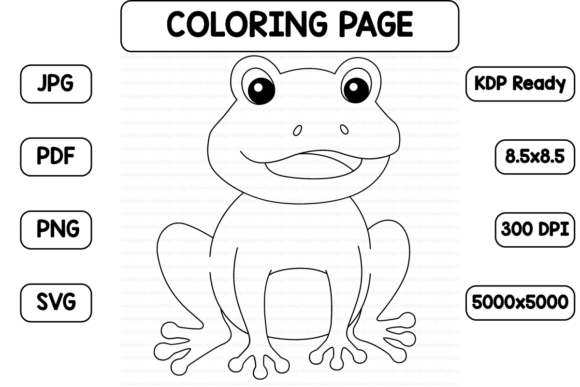
When you're building a brand, crafting marketing materials, or creating products for a family-oriented audience, visual assets carry enormous weight. The Cute Baby Frog Coloring Page for Kids isn't just another illustration—it's a versatile design resource that bridges the gap between playful engagement and professional utility. At 2784×3696 pixels and 300 DPI, this black-and-white coloring page offers the kind of high-resolution clarity that designers and content creators need when repurposing assets across multiple formats.
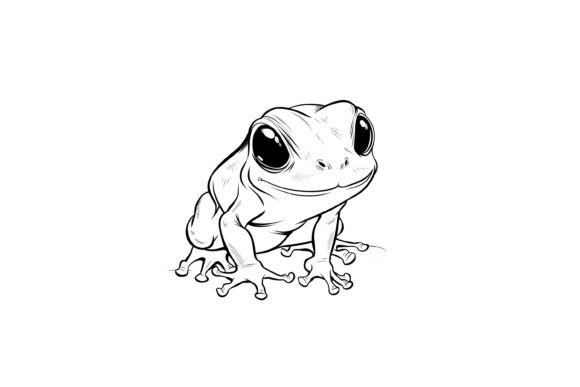
What makes this particular illustration stand out? The outlines are deliberately clean and well-defined, which serves two purposes. First, it gives young children a forgiving canvas where coloring within the lines feels achievable rather than frustrating. Second, for professionals, those crisp vector-style edges translate beautifully when you scale the image for print projects, digital downloads, or branded merchandise. The baby frog character itself carries a warmth and approachability that's hard to manufacture—wide eyes, rounded features, and an inviting posture that naturally draws attention without overwhelming a layout.
Why This Coloring Page Resonates Across Creative Projects
Think about the last time you browsed a children's activity book, a parenting blog, or an educational worksheet website. The illustrations that stick are the ones with personality. This Cute Baby Frog Coloring Page for Kids has that quality baked in. The frog's expression feels friendly and curious, which makes it ideal for projects where you want to establish an emotional connection quickly—whether that's a daycare center's welcome packet, a pediatric clinic's waiting room materials, or a children's book publisher looking for supplementary activity content.
From a practical standpoint, the black-and-white format is a significant advantage. It keeps printing costs low, works seamlessly on standard home printers, and gives you complete freedom to introduce color through digital tools like Photoshop, Procreate, or Canva. For small business owners selling printable activity packs on Etsy or their own storefronts, this kind of clean-line artwork is the backbone of a profitable product line. You're not fighting with muddy grays or inconsistent line weights—everything reads clearly at any size.
For marketers and bloggers in the parenting, education, or lifestyle space, this asset opens up content possibilities beyond simple coloring sheets. Use it as a lead magnet for email sign-ups, incorporate it into seasonal promotions, or feature it as part of a downloadable activity bundle that adds genuine value to your audience. The illustration's charm works across spring campaigns, nature-themed content, animal education units, and even lighthearted social media posts that encourage follower engagement.
Practical Applications for Designers and Content Creators
Let's get specific about where this coloring page fits into real workflows. If you're a graphic designer working on packaging for children's products—think snack boxes, toy packaging, or party supplies—the frog illustration can serve as a supporting visual element. Its simplicity means it won't compete with typography or other design elements, but it adds enough character to make packaging feel thoughtful and kid-approved.
Editorial designers working on magazines, newsletters, or educational publications will find it equally useful. A coloring page insert in a parenting magazine or a children's activity section in a community newsletter gains instant appeal with a well-drawn character like this. The high resolution ensures that even when printed at smaller sizes, the lines remain sharp and the details don't blur together.
For web designers and digital content creators, the JPG format integrates smoothly into website layouts, landing pages, and digital downloads. Consider pairing it with a clean sans serif font for headings and a friendly script font or handwritten font for accent text. This kind of font pairing creates visual hierarchy while maintaining the playful tone that the frog illustration establishes. The contrast between structured typography and organic illustration keeps layouts dynamic without feeling chaotic.
Brand Identity and Consistency Considerations
If you're developing a brand identity for a children's product, educational service, or family-focused business, consistency matters. Using the same frog character across multiple touchpoints—your website, printed materials, social media graphics, and email templates—builds recognition over time. This Cute Baby Frog Coloring Page for Kids provides a central visual anchor that audiences will associate with your brand's personality. It's the kind of design asset that pays dividends the more you use it, because repetition breeds familiarity, and familiarity builds trust.
Small business owners should pay attention to the file specifications here. At 300 DPI, this illustration meets professional print standards. You can confidently send it to a commercial printer for brochures, posters, or booklets without worrying about pixelation or quality loss. The 2784×3696 pixel dimensions give you flexibility to crop, resize, or reposition the artwork depending on your layout needs—whether you're working with standard letter-size pages, A4 formats, or custom dimensions.
Choosing and Evaluating This Asset for Your Work
Before incorporating any design asset into a project, run through a quick evaluation. Does the illustration's style match your project's tone? The baby frog's friendly, rounded aesthetic works best for audiences aged roughly 2 through 8, and for brands that want to feel approachable rather than edgy. If your project calls for something more sophisticated or abstract, this particular style might feel out of place—but for its intended purpose, it's spot-on.
Test how it looks alongside your existing typography choices. A serif font with soft, rounded terminals can complement the illustration's organic shapes, while a bold display font in a headline can create an appealing contrast. Avoid pairing it with overly ornate or modern typography that feels too stark—the disconnect between ultra-minimalist type and a whimsical hand-drawn character can feel jarring rather than intentional.
Consider the full scope of your project. If you're creating a series of coloring pages, this frog can be one piece in a larger collection. Building out a themed set—frogs, butterflies, flowers, mushrooms—gives your audience more value and gives your product line cohesion. Each illustration should maintain consistent line weight and style so the collection feels unified, and this Cute Baby Frog Coloring Page for Kids sets a strong standard to build from.
Final Thoughts on Getting the Most from This Illustration
The real strength of a well-crafted coloring page lies in its versatility. This isn't a single-use asset. It's a foundation you can build on—adapting it for digital products, physical merchandise, educational materials, and branded content. The clean outlines, charming character design, and professional-grade file specifications make it a practical addition to any creative professional's toolkit. Whether you're a crafter designing handmade cards, a blogger enriching your content library, or an entrepreneur launching a printable product line, investing in quality illustrations like this one streamlines your workflow and elevates your final output.