Weird is a Side Effect of Being Awesome: A Creative Font for Bold Brands
Sometimes a design needs more than clean lines and predictable spacing. It needs personality. It needs a voice that stands out in a crowded room. That's where a typeface like Weird is a Side Effect of Being Awesome enters the conversation. This isn't a font for blending in. It's a creative font built for projects that want to make a statement, spark curiosity, and leave a lasting impression.
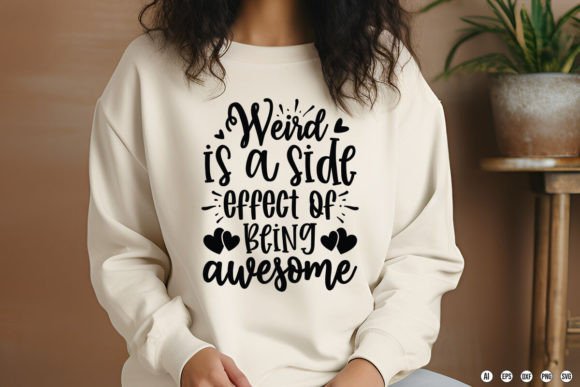
At first glance, the typeface carries a distinct handwritten quality. The letterforms feel organic, almost like they were sketched by hand with intentional imperfections. There's energy in the strokes—some letters lean slightly, others have exaggerated curves or quirky terminals. It walks the line between a script font and a display font, borrowing the warmth of handwritten fonts while maintaining enough structure for legibility at various sizes. The overall personality is playful, confident, and unapologetically individual.
Where This Typeface Shines
Not every project calls for a bold, expressive typeface. But when the moment is right, Weird is a Side Effect of Being Awesome delivers something that more conservative fonts simply cannot. It works exceptionally well in contexts where brand identity needs to feel approachable, creative, and human.
Think about logo design for a boutique coffee roaster, an indie record label, or a lifestyle brand targeting a younger demographic. The font's personality immediately communicates that this brand doesn't take itself too seriously—while still being intentional about its visual presence. It's the kind of typeface that makes people pause mid-scroll on social media graphics, which is exactly the kind of attention most small business owners and entrepreneurs are chasing.
Packaging design is another natural fit. A handwritten font with this much character can transform a simple product label into something that feels artisanal and crafted. Whether it's a candle company, a specialty food brand, or a cosmetics line, the typeface adds warmth that sterile sans serif fonts often lack. It signals to customers that real people made this product, not a faceless corporation.
For editorial design and publishing, the font works beautifully as a headline or pull-quote typeface. Bloggers and content creators can use it for article titles, section headers, or featured quotes that need visual punch. It's particularly effective for lifestyle, travel, food, and creative industry content where the visual tone should feel conversational rather than corporate.
Understanding Its Strengths and Limitations
Every typeface has boundaries, and knowing where those lines are separates good design from great design. Weird is a Side Effect of Being Awesome is a display font at its core. That means it performs best at larger sizes—headlines, titles, logos, and short phrases where its personality can breathe.
Body text is not its strength. The expressive letterforms that make it captivating at 48 pixels become distracting at 14 pixels. Long paragraphs set in this typeface would fatigue readers quickly. This is where font pairing becomes essential. Pair it with a clean sans serif font for body copy—something neutral that steps back and lets the display font do the talking. A modern sans serif like Montserrat, Open Sans, or even a simple serif font for more editorial projects creates the visual hierarchy that keeps designs readable while preserving personality.
Readability considerations extend beyond size. The handwritten style means some letter combinations might feel crowded or ambiguous at smaller scales. Always test the font in context before committing. View it on different screens, at different sizes, and in the actual color palette of your project. What looks striking in black on white might lose definition in a muted color scheme or against a busy background image.
Practical Guidance for Choosing and Using This Font
Before downloading any premium font, ask yourself a few honest questions about your project. Does the brand or project actually benefit from a playful, expressive typeface? A law firm probably doesn't need this font. A creative agency, a children's brand, or a personal blog absolutely might. The typeface should reinforce the message, not compete with it.
Evaluate the included file formats and styles. A quality font package typically offers multiple formats to ensure compatibility across design software and platforms. The ability to customize colors, scale without quality loss, and use the font across both digital and print applications matters for anyone building a consistent brand identity. Files that work seamlessly in vector-based programs give designers the flexibility to adapt the typeface to any context—from a small sticker to a large-format banner.
Test font pairings before finalizing any design. Pull the display font into your layout alongside your chosen body font and look at the relationship between them. Do they complement each other or clash? Does the display font dominate too much, or does it create a balanced visual hierarchy? Good pairing feels effortless. It guides the eye naturally from headline to body copy without jarring transitions.
For commercial projects, licensing matters. If you're creating products for sale—t-shirts, mugs, hoodies, pillows, or any printable merchandise—confirm that the font license covers commercial use. Most premium fonts include this, but it's worth verifying before you invest time in a design that you later cannot legally sell. This is especially important for small business owners and entrepreneurs who plan to use the font across multiple product lines.
Consider how the typeface will function across your entire visual ecosystem. A great brand identity isn't just a logo. It's the consistent application of visual elements across every touchpoint—website headers, social media graphics, business cards, packaging, email templates, and printed materials. A font like Weird is a Side Effect of Being Awesome can serve as the signature element that ties all of these together, provided it's used thoughtfully and paired with supporting typefaces that handle the more functional design work.
The designers, crafters, and hobbyists reading this will find particular value in the font's versatility for personal projects. Custom t-shirts, handmade greeting cards, party invitations, wall art, and DIY home décor all benefit from a typeface that feels personal and handcrafted. The expressive quality of the letterforms adds an artisan touch that generic fonts cannot replicate.
Making the Most of Your Design Assets
Good typography is invisible when it works and impossible to ignore when it doesn't. The goal with any creative font is to enhance communication, not obstruct it. Weird is a Side Effect of Being Awesome gives designers and creators a tool for injecting personality into their work—but like any tool, its effectiveness depends entirely on how you use it.
Start with intention. Know what you want the typeface to communicate. Use it strategically in places where it will have the most impact. Pair it wisely with complementary fonts. Test it thoroughly in your specific context. And always keep your audience in mind—what feels fresh and exciting to you should also resonate with the people you're trying to reach.
Modern typography rewards those who take risks, but calculated risks backed by thoughtful execution. A bold typeface choice becomes a design asset when it serves the project's goals, strengthens brand perception, and engages the audience in a way that feels authentic rather than forced.