Alphabet C Mini Book: A Practical Guide for Early Learning
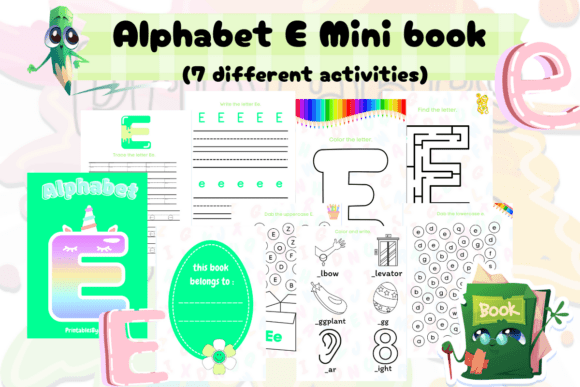
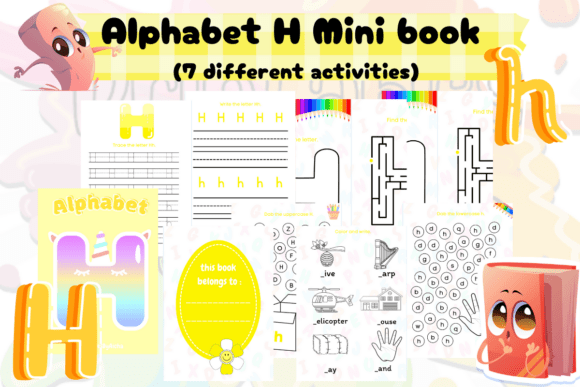
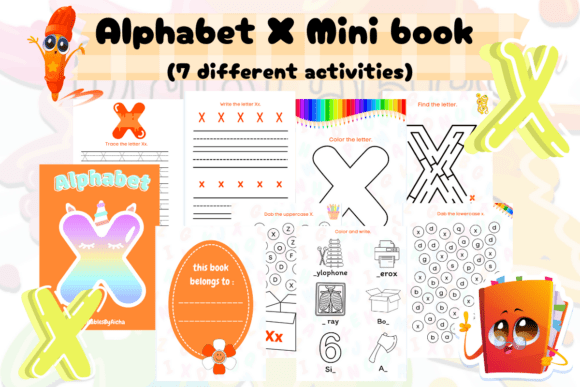
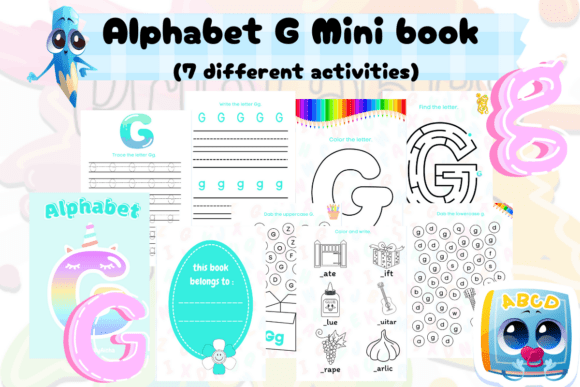
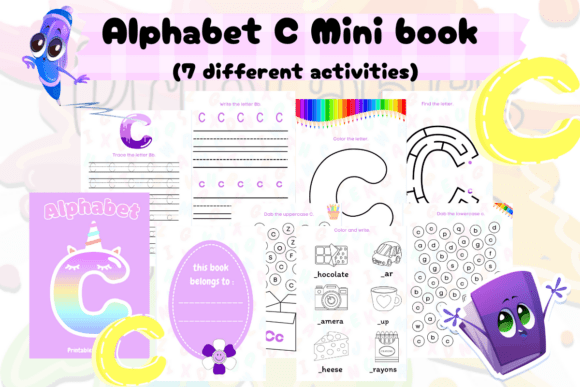
When you're building a toolkit for early education, the components need to do more than just look good on a page. They need to function as educational assets that actively support skill development. This is where the Alphabet C Mini Book comes in. It’s not merely a collection of coloring pages; it is a structured, seven-page printable workbook designed specifically for the developmental stages of preschoolers and kindergarteners. For educators, homeschoolers, and creative parents, this resource offers a focused approach to the letter C, blending visual appeal with motor skill training.
Designing for Engagement: Visuals and Usability
The visual style of the Alphabet C Mini Book is intentionally crafted for its audience. In educational design, clarity is king. The graphics utilize bold lines and recognizable imagery—such as cats, cars, or cupcakes—to create immediate associations with the /c/ sound. This isn't about complex typography or intricate illustrations that might overwhelm a young learner; it’s about high-contrast, engaging visuals that invite interaction.
From a design perspective, the layout balances negative space with activity areas. There is a deliberate use of "breathing room" on each page, ensuring that the child focuses on the specific task—whether that is tracing, dabbing, or coloring. The consistency of the visual language across the seven pages helps build a sense of familiarity, allowing the child to transition smoothly from one activity to the next without needing constant adult intervention.
Functional Design Assets: More Than Just a Worksheet
For the creative professional or the organized parent, viewing this mini book as a design asset changes how you utilize it. It serves as a foundational piece for a "Letter of the Week" curriculum. The inclusion of diverse activities—ranging from tracing uppercase and lowercase letters to navigating a maze—ensures that the material addresses multiple learning styles.
The "Spot and Identify" maze, for example, is a masterclass in functional design. It forces the eye to scan and differentiate, a critical pre-reading skill. Similarly, the dabbing activities are designed to strengthen hand-eye coordination. When you download the Alphabet C Mini Book, you are acquiring a resource that bridges the gap between play and literacy. It’s a tool that respects the child’s need for tactile engagement while serving the educator’s need for measurable learning outcomes.
Practical Application in Modern Learning Environments
In today's educational landscape, flexibility is essential. The Alphabet C Mini Book functions effectively across various settings, making it a versatile component of any literacy routine.
- Homeschool Environments: It serves as a standalone lesson or a supplemental activity. Parents can easily integrate the tracing and writing pages into a morning basket routine.
- Classroom Centers: Teachers can print multiple copies for literacy centers. The self-contained nature of the mini book means students can work independently while the teacher facilitates small groups.
- Occupational Therapy: The fine motor tasks—specifically the tracing lines and coloring sections—are excellent for therapists focusing on pencil grip and control.
One of the most practical features is the customizable "This Book Belongs To" page. In a classroom of 20 students, ownership matters. Personalization increases a child's investment in the activity, turning a generic worksheet into their project.
Strategic Value for Content Creators and Entrepreneurs
If you are a blogger, content creator, or small business owner in the educational niche, the Alphabet C Mini Book represents a specific type of content strategy: the lead magnet. High-quality, printable resources are currency in the parenting and education markets.
Offering a resource like this for free (or at a nominal cost) establishes authority. It signals to your audience that you understand their needs and can provide tangible solutions. For a digital marketer, this isn't just a coloring page; it's a conversion tool. It solves a problem—keeping a preschooler engaged in learning—for your target demographic. By providing a screen-free, educational option, you align your brand with the values of modern parents who are seeking to limit digital consumption.
Evaluating Fit and Integration
When deciding to incorporate the Alphabet C Mini Book into your routine or product line, consider the readability and accessibility. The font choices used for the tracing lines are clean and unambiguous, which is crucial. In early childhood education, decorative fonts can confuse learners. This resource prioritizes legibility, ensuring the child learns the correct formation of the letter C without visual clutter.
Furthermore, the file format is designed for easy printing. This "print-and-go" functionality is vital for busy professionals. You don't need specialized design software to use it; you simply need a printer and a stapler. This ease of use makes it an ideal addition to a busy teacher's lesson plan or a parent's rainy-day activity box.
Conclusion: Building Literacy One Letter at a Time
The Alphabet C Mini Book is a testament to the power of focused, functional design. It strips away the unnecessary and delivers exactly what young learners need to master the letter C: repetition, variety, and engagement. Whether you are a teacher looking for a phonics center activity, a parent seeking educational printables, or a marketer looking for valuable content to offer your audience, this mini book delivers practical, real-world value. It transforms the abstract concept of a letter into a tangible, interactive experience, laying the groundwork for a lifetime of literacy.